Aortic Aneurysm
How Early Aortic Aneurysm Detection Improves Treatment and Surgical Outcomes?
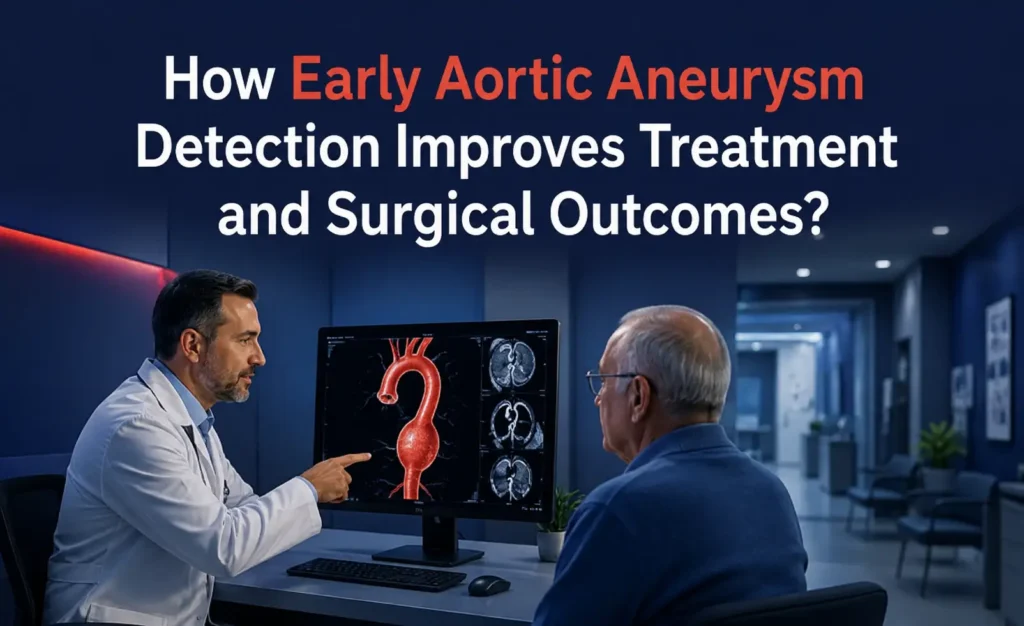
An aortic aneurysm is a potentially life-threatening condition that occurs when a weakened section of the aorta, the body’s largest artery, begins to bulge or enlarge. Because many aneurysms develop gradually and often produce few or no symptoms, they can remain undetected until a serious complication occurs. This is why Aortic Aneurysm Detection plays a critical role in protecting long-term health.
Early diagnosis allows vascular specialists to monitor aneurysms closely, recommend timely treatment, and significantly reduce the risk of rupture. In many cases, detecting an aneurysm before symptoms develop can improve surgical outcomes, lower complication rates, and increase survival. At Encino Vascular Institute, patients throughout Encino, Los Angeles, Woodland Hills, Sherman Oaks, Tarzana, and the San Fernando Valley benefit from advanced screening and personalized vascular care designed to identify problems before they become emergencies.
What Is an Aortic Aneurysm?
An aortic aneurysm occurs when a section of the aorta weakens and expands beyond its normal size. The aorta carries oxygen-rich blood from the heart to the rest of the body, making its health essential for overall circulation.
There are two primary types:
Abdominal Aortic Aneurysm (AAA)
This develops in the abdominal portion of the aorta and is the most common type.
Thoracic Aortic Aneurysm (TAA)
This occurs in the chest portion of the aorta and may affect areas near the heart.
Aneurysms become dangerous when they continue to enlarge. As the vessel wall weakens, the risk of tearing or rupture increases. A ruptured aneurysm is a medical emergency that can cause severe internal bleeding and may be fatal without immediate treatment.
How Common Are Aortic Aneurysms?
Aortic aneurysms are more common than many people realize, particularly among older adults and individuals with certain risk factors. While many aneurysms remain undiagnosed, thousands of cases are identified each year through routine examinations and imaging studies.
Common risk factors include:
- Age over 65
- Smoking history
- High blood pressure
- High cholesterol
- Family history of aneurysms
- Atherosclerosis (hardening of the arteries)
- Male gender
- Connective tissue disorders
Individuals with one or more of these risk factors should discuss screening options with a vascular specialist. Early identification often allows for safer monitoring and treatment before complications develop.
Why Early Aortic Aneurysm Detection Matters
Early detection can dramatically influence patient outcomes and treatment success.
Benefits of early diagnosis include:
- Reduced risk of aneurysm rupture
- More aortic aneurysm repair treatment options
- Better surgical planning
- Improved survival rates
- Lower likelihood of emergency surgery
- Increased opportunity for minimally invasive procedures
When aneurysms are discovered early, physicians can track their growth and determine the safest time for intervention. This proactive approach often yields better outcomes than emergency treatment following a rupture or dissection.
Aortic Aneurysm Screening: Who Should Get Tested?
Aortic aneurysm screening is an important preventive measure for people at elevated risk.
Screening may be recommended for:
- Adults over age 65, especially men with a history of smoking.
- Individuals with a family history of aortic aneurysms.
- Patients with high blood pressure or cardiovascular disease.
- Current or former smokers.
- Individuals with connective tissue disorders.
Routine vascular evaluations can identify aneurysms before symptoms occur. For high-risk individuals, screening may provide an opportunity for earlier intervention and improved long-term outcomes.
At Encino Vascular Institute, vascular specialists use advanced imaging technologies to assess aneurysm risk and develop individualized monitoring plans.
Can a blood test detect an aortic aneurysm?
Many patients wonder, Can a blood test detect an aortic aneurysm?
Currently, blood tests alone cannot reliably diagnose an aortic aneurysm. While researchers continue studying biomarkers that may help identify aneurysm risk, imaging remains the gold standard for diagnosis.
Common imaging tests include:
Ultrasound
Often used to detect abdominal aortic aneurysms. It is non-invasive, painless, and highly effective for screening.
CT Scan
Provides detailed cross-sectional images of the aorta and helps determine aneurysm size and location.
MRI
Offers highly detailed images and may be used when additional evaluation is needed.
Because aneurysm size and growth rate directly influence treatment decisions, imaging studies remain essential for accurate diagnosis and monitoring.
How Does Early Detection Improve Aortic Aneurysm Surgery Outcomes?
One of the greatest advantages of early diagnosis is the ability to optimize the timing of aortic aneurysm repair treatment.
When an aneurysm is detected before it becomes an emergency, surgeons can:
- Carefully evaluate overall health.
- Select the most appropriate procedure.
- Reduce operative risks.
- Improve patient preparation.
- Schedule surgery under controlled conditions.
Emergency surgery for a ruptured aneurysm is associated with significantly higher risks because patients often arrive in critical condition. Planned procedures typically allow for better medical management and more favorable outcomes.
Early detection also enables physicians to identify candidates for minimally invasive techniques that may not be possible during emergency situations.
Treatment Options After Early Detection
Following diagnosis, treatment recommendations for aortic aneurysm repair depend on aneurysm size, growth rate, symptoms, and overall patient health.
Monitoring and Surveillance
Small aneurysms may only require regular imaging and observation.
Lifestyle Modifications
Patients may be advised to:
- Quit smoking
- Maintain healthy blood pressure.
- Improve cholesterol levels
- Exercise regularly
- Follow a heart-healthy diet.
Medication Management
Blood pressure medications and cholesterol-lowering therapies may help reduce cardiovascular risks.
Endovascular Procedures
Minimally invasive techniques use catheter-based approaches to reinforce the weakened section of the aorta.
Open Surgical Repair
Larger or more complex aneurysms may require traditional surgery.
The most appropriate treatment for aortic aneurysm repair varies from patient to patient and should be determined by an experienced vascular specialist.
Understanding Aortic Aneurysm Repair
Not every aneurysm requires immediate intervention. However, repair becomes necessary when an aneurysm reaches a size associated with increased risk of rupture, grows rapidly, or causes symptoms.
Types of Aortic Aneurysm Repair
Endovascular Aneurysm Repair (EVAR)
A minimally invasive procedure that places a stent graft inside the aorta to strengthen the vessel wall.
Open Surgical Repair
A traditional operation involving the replacement of the weakened section with a synthetic graft.
Modern aortic aneurysm repair techniques have improved significantly over the years, offering patients safer treatment options and better long-term outcomes.
The choice between procedures depends on anatomy, aneurysm location, overall health, and surgical goals. Experienced vascular surgeons help determine the best approach for each patient.
What Influences Aortic Aneurysm Repair Cost?
The overall cost of aortic aneurysm repair varies based on several factors.
Common influences include:
- Type of repair performed.
- Complexity of the aneurysm
- Hospital and surgical facility fees
- Diagnostic imaging requirements
- Length of hospital stay
- Insurance coverage
- Follow-up appointments and monitoring
Because each patient’s condition is unique, costs can differ substantially. Patients should discuss coverage and financial considerations with their healthcare provider and insurance company before treatment.
What to Expect During Aortic Aneurysm Repair Recovery?
The length of recovery after aortic aneurysm repair depends largely on the treatment method used.
Recovery After Endovascular Repair
Many patients experience:
- Shorter hospital stays
- Less postoperative discomfort
- Faster return to daily activities
Recovery After Open Surgery
Recovery may involve:
- Longer hospitalization
- Several weeks of restricted activity
- More extensive rehabilitation
Patients should expect:
- Regular follow-up appointments
- Imaging studies to monitor results
- Medication management
- Lifestyle modifications to support vascular health
Following postoperative instructions carefully can help improve healing and reduce future complications.
Why Choose Encino Vascular Institute for Aortic Aneurysm Care?
Choosing an experienced vascular team is essential when managing an aortic aneurysm.
At Encino Vascular Institute, patients receive care from experienced vascular specialists and board-certified vascular surgeons who focus on accurate diagnosis, advanced treatment, and long-term monitoring.
Patients throughout Encino, Los Angeles, Woodland Hills, Sherman Oaks, Tarzana, Burbank, Calabasas, Van Nuys, and the greater San Fernando Valley trust Encino Vascular Institute for:
- Advanced diagnostic imaging
- Comprehensive aneurysm screening
- Personalized treatment plans
- Minimally invasive and traditional surgical options
- Patient-centered vascular care
- Commitment to safety and long-term outcomes
The goal is to identify vascular conditions early and provide individualized care that supports the best possible results.
Early detection can be one of the most important factors influencing successful aneurysm treatment near you. Through timely screening, accurate diagnosis, and proactive management, patients can reduce the risk of rupture and improve the success of future interventions.
If you have risk factors for aneurysms or have concerns about your vascular health, schedule an evaluation with the experienced team at Encino Vascular Institute.
Frequently Asked Questions
What are the early warning signs of an aortic aneurysm?
Many aortic aneurysms cause no symptoms in their early stages. Symptoms may include persistent abdominal pain, back pain, chest discomfort, or a pulsating sensation in the abdomen. Because symptoms often appear late, screening is important for high-risk individuals.
How often should high-risk individuals undergo aortic aneurysm screening?
Screening frequency depends on age, risk factors, family history, and previous imaging results. Some patients may only need a one-time screening, while others require regular monitoring. A vascular specialist can recommend an appropriate schedule.
Is aortic aneurysm surgery always necessary?
No. Small aneurysms that are stable and asymptomatic may require only routine monitoring and risk-factor management. Surgery is generally recommended when the aneurysm reaches a size associated with increased rupture risk or shows rapid growth.
What is the difference between open repair and endovascular repair?
Open repair involves replacing the weakened section of the aorta through a traditional surgical procedure. Endovascular repair uses a catheter-based approach to place a stent graft inside the artery. Endovascular procedures are less invasive and often have shorter recovery times, but not every patient is a candidate.
How long does aortic aneurysm repair recovery typically take?
Recovery varies by procedure. Patients undergoing endovascular repair may return to normal activities within a few weeks, whereas recovery after open surgery can take several weeks to months. Follow-up care and ongoing monitoring remain important after both procedures.