Varicose Veins
Are Varicose Veins Permanently Curable or Will They Come Back?
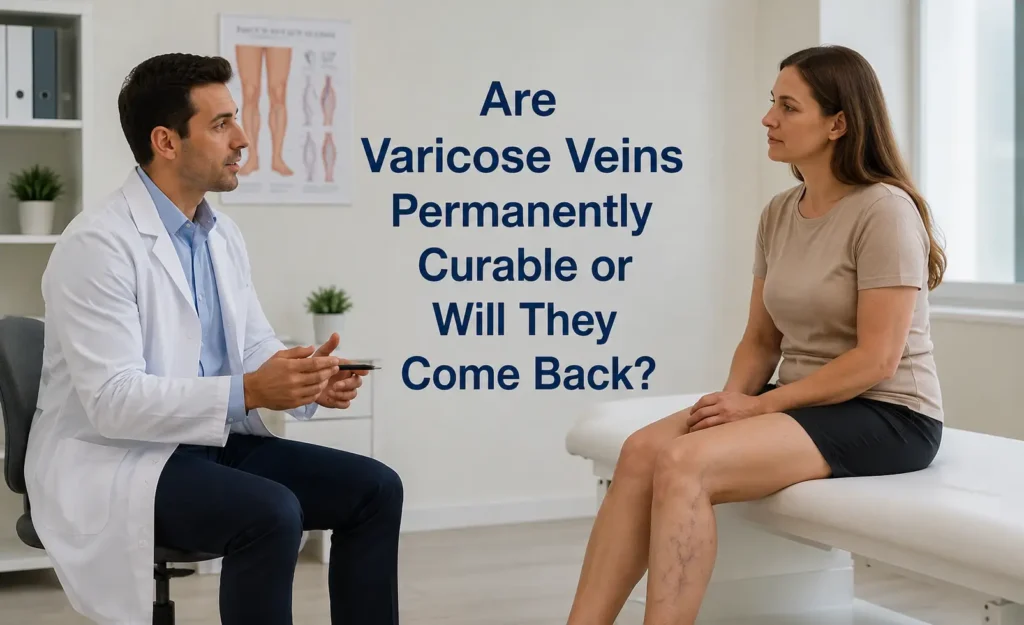
Varicose veins are enlarged, twisted veins that most commonly develop in the legs when damaged or weakened valves allow blood to flow backward and pool inside the veins. They can cause aching, heaviness, swelling, itching, skin changes, and visible bulging veins. Although varicose veins can often be treated effectively, treating one affected vein does not guarantee that new or recurrent venous reflux will not develop elsewhere over time.
So, can varicose veins be permanently cured? A successfully treated vein may remain closed or be removed from circulation, but this does not guarantee that new varicose veins will not develop in other veins over time. This is why treatment planning should consider the source and extent of abnormal venous blood flow, rather than focusing only on visible veins.
For people researching varicose veins treatment in Los Angeles, understanding how recurrence happens, which treatments are available, and when to see a vascular specialist can help you make a more informed healthcare decision.
Can Varicose Veins Be Permanently Cured?
Varicose veins can often be treated successfully, and a vein that is appropriately closed or removed may remain out of normal circulation. However, treatment cannot guarantee that new varicose veins will never develop in other veins.
Most varicose veins are associated with venous reflux, which occurs when valves in the veins do not close properly, allowing blood to flow backward. Treatment can close or remove the affected vein, allowing blood to return through other functioning veins.
There are two important distinctions:
- The treated vein: A successfully treated vein is intended to remain closed or removed from normal circulation, although treatment does not guarantee that other veins will remain unaffected.
- The ongoing risk of venous disease: Other veins may develop reflux in the future and become varicose.
Therefore, long-term varicose vein treatment is best understood as addressing the veins responsible for abnormal blood flow and symptoms, rather than guaranteeing that future varicose veins will never occur.
The goals may include durable symptom relief and treatment of the veins responsible for abnormal venous blood flow.
Do Varicose Veins Come Back After Treatment?
Yes, varicose veins can appear again after treatment. However, the presence of new veins does not necessarily mean the original procedure failed. New varicose veins can develop even when the originally treated vein remains successfully closed. In some cases, what appears to be recurrence may actually represent newly developed varicose veins or progression of venous disease in another part of the venous system.
Recurrence or new varicose veins may occur for several reasons. A previously treated vein can reopen in some cases, residual reflux may remain, or another vein can become incompetent over time.
The venous system contains interconnected superficial, perforating, and deep veins. Treating one problematic vein does not prevent every other vein from developing venous reflux in the future.
When varicose veins return, a vascular specialist can use a clinical examination and duplex ultrasound to determine whether the issue involves:
- Reopening of a previously treated vein
- Persistent venous reflux
- An untreated source of reflux
- New reflux in another vein
- Newly developed tributary veins
- Another condition contributing to the symptoms
This distinction is important because recurrent veins may require a different treatment strategy than the original problem.
Why Can Varicose Veins Recur or New Veins Develop?
Several factors can contribute to recurrent or newly developed varicose veins.
1. New Venous Reflux
Venous disease can continue to affect other veins even after one incompetent vein has been successfully treated. New reflux can gradually cause another vein to enlarge and become visible.
2. Persistent or Untreated Reflux
Varicose veins can involve multiple veins or interconnected areas of the venous system. If an important source of reflux remains, symptoms or visible veins may persist or develop again.
This is why identifying the source of abnormal blood flow is an important part of treatment planning.
3. Recanalization
After certain endovenous procedures, the treated vein is intended to remain closed. In some cases, the vein can reopen partially or completely. This process is called recanalization and may contribute to recurrent venous problems.
4. New Vein Problems
Sometimes the original treated vein remains successfully closed while a different vein develops reflux. From a patient’s perspective, this may look like the varicose veins have “come back,” even though the original treatment remains intact.
5. Pregnancy
Pregnancy increases blood volume and places additional pressure on the veins of the pelvis and legs. Hormonal changes may also affect the venous system. As a result, pregnancy can contribute to the development or worsening of varicose veins.
6. Aging
Venous valves and vein walls can become less effective over time. As people age, the likelihood of developing venous insufficiency may increase.
7. Prolonged Sitting or Standing
Prolonged sitting or standing can increase venous pressure in the legs. Regular movement can support circulation and reduce the duration of prolonged immobility.
8. Excess Weight
Being overweight or obese is associated with a higher risk of varicose veins and may increase pressure on the veins in the legs.
How Can You Reduce the Risk of Varicose Vein Symptoms After Treatment?
There is no guaranteed way to prevent every future varicose vein, particularly when someone has an underlying tendency toward venous insufficiency. However, healthy habits can support overall vein health and may help manage symptoms.
Stay Physically Active
Walking and other appropriate physical activities engage the calf muscles, which help move blood from the legs toward the heart.
If you have a desk-based job, getting up periodically to walk can help prevent prolonged inactivity.
Avoid Prolonged Sitting or Standing
If your job requires you to sit or stand for extended periods, take movement breaks whenever possible. Walking, changing positions, and performing simple ankle or calf movements can encourage circulation.
Maintain a Healthy Weight
Maintaining a healthy weight may help reduce pressure on the veins and support overall cardiovascular and vascular health.
Elevate Your Legs When Appropriate
Elevating the legs may temporarily reduce swelling and feelings of heaviness. Ask your healthcare provider whether leg elevation is appropriate for your particular condition.
Follow Post-Treatment Instructions
After a varicose vein procedure, follow the specific instructions provided by your healthcare professional. Depending on the treatment, recommendations may include walking, activity restrictions, compression, wound care, or follow-up imaging.
Attend Follow-Up Appointments
Follow-up care can be especially important if symptoms return or new veins become visible. Your vascular specialist can determine whether you are experiencing recurrence, a new venous problem, or another cause of your symptoms.
What Is the Best Long-Term Treatment for Varicose Veins?
There is no single varicose vein treatment that provides the best long-term result for every patient. Recurrence risk depends on the underlying venous anatomy, source of reflux, treatment technique, and individual factors.
The appropriate treatment depends on the location and severity of venous reflux, the anatomy of the affected veins, symptoms, previous procedures, and the patient’s overall health.
A treatment that works well for one patient may not be appropriate for another. The treatment choice should be based on the location and extent of venous reflux, vein anatomy, symptoms, previous treatment, and the patient’s individual circumstances rather than on recurrence rates alone.
Common treatment options include:
Endovenous Laser Ablation (EVLA)
Endovenous laser ablation (EVLA) uses laser energy delivered through a catheter to close an incompetent vein. It is a minimally invasive treatment commonly used for certain types of venous reflux.
Once the problematic vein is closed, blood can return through other functioning veins. EVLA is commonly performed in an outpatient setting.
Radiofrequency Ablation
Radiofrequency ablation uses controlled thermal energy to close an incompetent vein. Like laser ablation, it is designed to close the incompetent vein and allow blood to return through other functioning veins.
Sclerotherapy
Sclerotherapy involves injecting a medication into an abnormal vein. The treatment causes the targeted vein to close and gradually become less noticeable. Sclerotherapy is commonly used for selected varicose and spider veins. Foam sclerotherapy may also be used for certain veins with venous reflux when appropriate.
Ambulatory Phlebectomy
Ambulatory phlebectomy removes selected superficial varicose veins through very small skin openings. It may be used alone in selected cases or combined with treatment of an underlying refluxing vein.
Surgical Treatment
Traditional surgical treatment may be considered in selected cases, depending on the patient’s anatomy, symptoms, and vascular evaluation findings. However, many patients who are appropriate candidates may be treated with minimally invasive procedures.
A vascular specialist can explain the benefits, limitations, risks, recovery expectations, and potential for recurrence associated with each option.
Why Duplex Ultrasound Matters Before Varicose Vein Treatment
Treating the visible vein without understanding why it became enlarged may not address the underlying problem.
A duplex ultrasound uses ultrasound imaging and Doppler technology to evaluate blood flow through the veins. It can help identify venous reflux, assess the superficial and deep venous systems, and map the veins that may be contributing to symptoms. This information can help guide treatment planning based on the source and extent of abnormal blood flow.
Duplex ultrasound can be especially important when:
- Varicose veins are painful or worsening.
- There is significant leg swelling.
- Skin changes are developing.
- Symptoms have returned after previous treatment.
- New varicose veins appear.
- A previous treatment did not provide the expected result.
For patients considering varicose veins treatment in Los Angeles, a comprehensive evaluation can help determine whether minimally invasive treatment, sclerotherapy, phlebectomy, monitoring, or another approach is appropriate.
Varicose Veins: Which Doctor Should You See?
If you are asking which doctor you should see for varicose veins, a vascular specialist is an appropriate starting point, especially when the veins are painful, recurrent, associated with swelling, or accompanied by skin changes.
A vascular surgeon or varicose veins specialist can evaluate the venous system, assess blood flow, interpret duplex ultrasound findings, and determine whether treatment is appropriate.
When choosing a varicose vein specialist, consider:
- Training and experience in venous disease
- Appropriate medical credentials
- Experience with minimally invasive vein procedures
- Use of duplex ultrasound when clinically indicated
- Ability to offer or discuss multiple treatment options
- Experience treating recurrent varicose veins
- Clear communication about benefits and potential risks
- Individualized treatment planning
A qualified vascular specialist should not simply focus on removing visible veins. The evaluation should consider the underlying source of venous reflux and the patient’s symptoms, anatomy, and treatment goals.
Varicose Vein Treatment in Los Angeles
People seeking varicose vein treatment near you may have access to several diagnostic and treatment options, including endovenous ablation, sclerotherapy, and ambulatory phlebectomy. The appropriate approach depends on the location and severity of venous reflux, vein anatomy, symptoms, previous treatment, and overall health. A vascular evaluation, including duplex ultrasound when appropriate, can help identify the veins contributing to abnormal blood flow and determine which treatment options may be suitable.
When Should You See a Doctor for Varicose Veins?
Varicose veins do not always require treatment. However, persistent or worsening symptoms, skin changes, bleeding, or other complications should be evaluated by a medical professional.
Consider scheduling an evaluation if you experience:
- Persistent leg aching or pain
- Leg heaviness or fatigue
- Swelling that increases during the day
- Itching around varicose veins
- Skin discoloration or other skin changes
- A hard, tender, or painful vein
- Bleeding from a varicose vein
- A wound or ulcer near the ankle
- New veins after previous treatment
- Symptoms that are progressively worsening
Sudden leg swelling, particularly when accompanied by pain, warmth, or redness, should receive prompt medical evaluation. Chest pain or shortness of breath occurring with possible symptoms of a blood clot requires emergency medical attention.
Can Varicose Veins Be Treated Without Surgery?
Many patients can be treated with minimally invasive procedures rather than traditional open surgery.
Depending on the patient’s condition, options may include endovenous laser ablation, radiofrequency ablation, sclerotherapy, or ambulatory phlebectomy.
These procedures vary in how they work and what types of veins they are best suited to treat.
A consultation with a vascular specialist can help determine whether a minimally invasive approach is appropriate based on the ultrasound findings and overall clinical picture.
What Should You Expect During a Varicose Vein Evaluation?
A typical evaluation begins with a discussion of symptoms, medical history, previous vein procedures, medications, and factors that may affect venous health.
The specialist may examine the legs for visible veins, swelling, skin changes, or other signs of venous disease.
When indicated, duplex ultrasound can provide detailed information about blood flow and identify refluxing veins.
The findings help the specialist determine:
- Where abnormal blood flow is occurring
- Which veins are contributing to symptoms
- Whether treatment is medically appropriate
- Which treatment options may be suitable
- Whether follow-up monitoring is appropriate
This patient-specific approach is more useful than selecting a treatment based solely on the appearance of the veins.
Choose Encino Vascular Institute for Varicose Vein Treatment
If you are considering varicose vein treatment in Los Angeles, Encino Vascular Institute offers evaluation and treatment for varicose veins and venous disease. A vascular evaluation can help determine whether your symptoms are related to venous reflux and which treatment options may be appropriate for your individual condition.
Schedule a consultation with a vascular specialist to discuss your symptoms and treatment options.
Frequently Asked Questions
Can a Treated Varicose Vein Come Back?
A treated vein may reopen in some cases, a process known as recanalization. However, new varicose veins can also develop in other veins, so visible veins after treatment do not necessarily mean the original treatment failed.
Do I Need an Ultrasound Before Varicose Vein Treatment?
A duplex ultrasound may be recommended to evaluate venous blood flow and identify reflux before treatment. Your vascular specialist can determine whether imaging is appropriate based on your symptoms and clinical examination.
What Causes Varicose Veins to Return After Treatment?
Potential explanations include new venous reflux, reopening of a previously treated vein, persistent reflux, or the development of varicose veins elsewhere in the venous system. Factors such as pregnancy, age, prolonged sitting or standing, and excess weight can also contribute to the development or worsening of varicose veins.
How Can You Prevent Varicose Veins From Coming Back?
No method can guarantee that new varicose veins will never develop. Regular physical activity, avoiding prolonged immobility, maintaining a healthy weight, following post-treatment instructions, and attending recommended follow-up appointments can support long-term vein health.
Which Varicose Vein Treatment Is Best for Long-Term Results?
There is no single treatment that provides the best long-term result for everyone. The risk of recurrence depends on factors such as the underlying venous anatomy, source of reflux, treatment method, disease progression, and individual circumstances.
Medical Disclaimer: This article is intended for general educational purposes and does not replace an evaluation by a qualified vascular specialist. Varicose veins and venous disease can vary from person to person, and the appropriate treatment depends on your symptoms, medical history, examination, and, when appropriate, duplex ultrasound findings. If you are experiencing persistent, worsening, or concerning symptoms, seek professional medical evaluation.